
Tips for Caring for Houseplants: How to Identify Their Problems
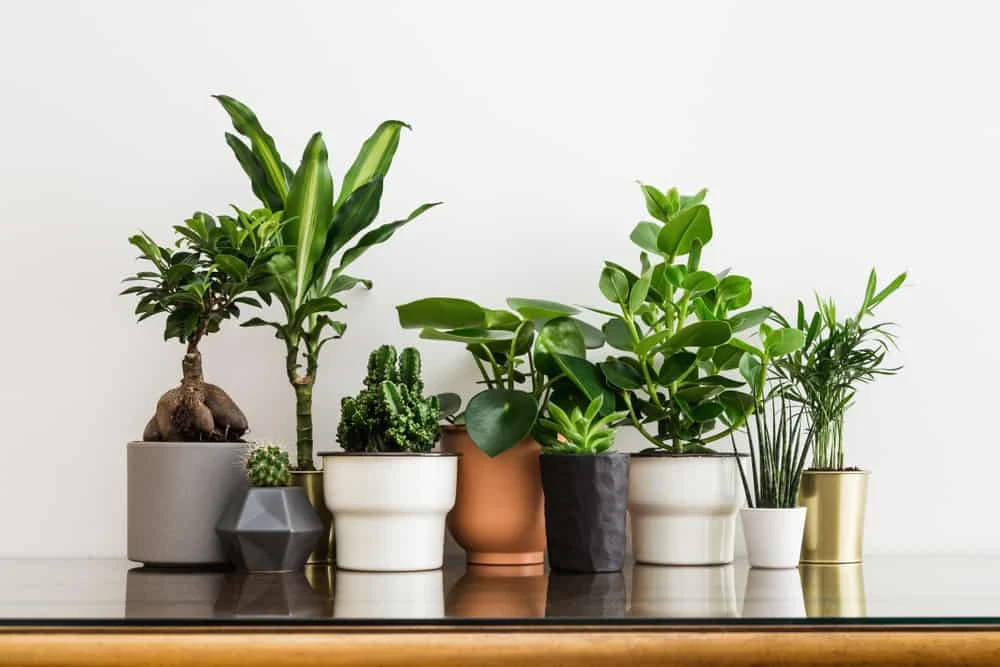
Tips and Care for Potted Houseplants: How to Spot Their Problems
E-cvete.com is here to help with any advice and guidance you need for growing flowers at home or in the garden.
Today, we'll go over some common issues with houseplants and how to tackle them.**
Understanding the "Language of Flowers"
As winter ends and temperatures and light change quickly, your houseplants might feel a bit stressed and start to droop. This isn't just about how you're caring for them; sometimes, a few small tweaks are all you need. Below are a few quick tips to help you understand the "language of flowers." They show us what they need, and we just have to pay attention to their "body language":
- If the leaves curl upwards, the plant needs moderate watering. This means moisture isn't reaching the roots.
- Yellowing leaves at the base indicate excess moisture at the bottom, which can lead to root rot.
- Yellow or brown spots on leaves suggest fungal or other parasites in the root system. Acting quickly with the right treatment can save the plant.
- Leaves that curl, soften, and droop down signal poor root system breathing. Loosen the topsoil to improve ventilation.
- If the leaf edges dry out and become brittle, the air is too dry. Place some water containers nearby or mist the leaves. Dry air can also encourage airborne pests.
Choosing the Right Spot for Your Plants
Where you place your houseplants matters a lot for their health. Most plants love light but not direct sunlight. Too much light can burn the leaves, while too little can slow growth. Find a spot with plenty of natural light but no direct sun. If that's not possible, consider using a plant lamp.
The Right Soil and Pot
Choosing the right soil and pot is crucial. Different plants have specific soil needs. For instance, cacti and succulents need well-drained soil, while orchids prefer special mixes. Make sure your pot has drainage holes to prevent water from pooling.
Benefits of Houseplants
Plants don't just add freshness and beauty to your home; they also offer health benefits. They purify the air by removing toxins and releasing oxygen. Some, like aloe vera and peace lilies, are especially good at this. Plus, taking care of plants can reduce stress and boost your mood.
Frequently Asked Questions
How do I know if I'm watering enough?
A simple way to check is to stick your finger about 2-3 cm into the soil. If it's dry, it's time to water. Avoid overwatering, which can cause root rot.
How do I deal with insects on my plants?
Insects can be a real challenge. To control them, try natural solutions like a soapy water spray or specialized products from garden stores.
For more on the benefits of flowers in your home, check out this link.
You can find more interesting info and helpful tips about flowers in our online flower encyclopedia at https://cvetiata.net.