
Spring Flowers in the Garden
Spring Flowers in the Garden
A Warm Welcome to Spring
Spring is a season of renewal and new beginnings. As the first flowers bloom, they bring a splash of color to the landscape, often while there's still a chill in the air or even snow on the ground. Let's explore some of these early bloomers that brighten our gardens every year.
Hellebores: Winter's Last Blooms
🌼 Hellebore is one of the earliest flowers to bloom, often starting in winter. By April, it's a star in the garden with its large, light green flowers that gradually darken or turn reddish. Its thick flower stems and dark green, glossy leaves emerge from a hardy root system. While beautiful, it's good to remember that hellebores are poisonous, like many plants in the buttercup family. They add a touch of drama to the garden with their unique color transition and are a favorite among gardeners who enjoy early blooms.
Winter Aconite: A Sunny Disposition
Another delicate spring plant is the winter aconite. Its bright yellow flowers open up to the sun, revealing six petals surrounded by green, deeply cut sepals. These sepals act like a cloak, wrapping around the stem when it's cold, giving the plant a charmingly protective appearance. The leaves only appear after the flowering, adding a lush green backdrop to the yellow blooms. Winter aconites are a cheerful sight in early spring, often peeking through the snow to remind us that warmer days are coming.
Snowdrops: A Child's Delight
🌸 Kids and adults alike can enjoy watching the snowdrop bloom. Often emerging as early as February, these flowers push through the soil with two narrow, blue-green leaves, followed by a stem bearing a single flower. The flower bud is initially hidden within a sheath, but as the weather warms, it opens and droops gracefully, resembling a delicate white drop. The outer petals guide bees to the nectar, while the inner, smaller petals are edged with green. Snowdrops are not just pretty; they have an interesting survival strategy. If insects don't pollinate them due to cold weather, they self-pollinate. Over time, they form dense clusters, creating an impressive display in gardens.
Crocuses: A Burst of Color
🌻 Crocuses are a familiar sight in gardens, often blooming alongside snowdrops. These flowers come in white, blue-violet, and golden-yellow hues, and they develop from flat bulbs. The narrow, dark green leaves have white stripes running down the middle, adding to their charm. Crocuses are sensitive to temperature, opening in sunny weather and closing when it's cloudy or cool. They're a favorite among bees, who are drawn to their vibrant colors and abundant pollen. Planting crocuses in clusters can create a stunning carpet of color in your garden.
Scilla: A Blue Sea
🌸 Following the snowdrops, scilla opens its lovely blue flowers. Sometimes forming dense clumps under shrubs, scilla spreads through seeds and young bulbs. These flowers create a sea of blue that looks particularly striking when planted in large groups. Scilla is a low-maintenance plant, making it a great choice for gardeners who want to add color without much effort.
Tulips and Hyacinths: Spring's Grand Finale
Tulips and hyacinths, both bulb-grown, belong to the lily family and are the stars of the spring garden. Tulips, in particular, have been bred into a wide variety of forms and colors, offering something for every taste.
Tulips: Temperature Dancers
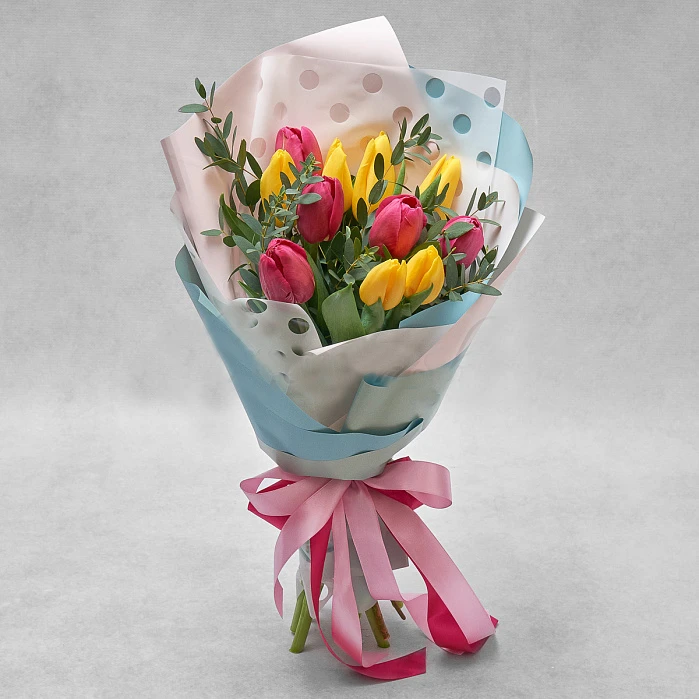
🌷 Tulips are particularly responsive to temperature changes. Bring one indoors, and you'll see its flower open wide in the warmth. Move it back to a cooler spot, and it closes again. This opening and closing are due to the different growth rates of the inner and outer perianth leaves. This process can repeat multiple times, with the flower sometimes doubling in size. It's fascinating to watch and a reminder of nature's adaptability. Tulips are a favorite in bouquets and garden displays, and with so many varieties, the possibilities are endless.
Hyacinths: Fragrant Beauties
Hyacinths are known for their intense fragrance and vibrant colors. These flowers are often planted in groups to maximize their visual impact and scent. They come in shades of blue, pink, white, and purple, adding a pop of color and a delightful aroma to any garden. Hyacinths are also great for forcing indoors, allowing you to enjoy their beauty and fragrance even when the weather outside is not yet warm.
Daffodils: A Symbol of Spring
🌺 Daffodils are a classic symbol of spring. The yellow daffodil opens its bright flowers early, often visited by bumblebees. A few weeks later, the white daffodils bloom, their fragrant flowers attracting butterflies. Both types have six large petals and a secondary corona. In yellow daffodils, this corona is bright yellow and cup-shaped, while in white daffodils, it's smaller, yellowish with a red edge, and bowl-shaped. Despite their beauty, daffodils are poisonous, so it's best to handle them with care. They thrive in most gardens and are perfect for naturalizing in meadows or under trees.
Early Spring in Rock Gardens
🍀 In early spring, rock gardens come alive with perennial clumping plants and low shrubs. Heather is often the first to bloom, with purple-red, pink, or white flowers creating a tapestry of color. These plants are well-suited to rocky, well-drained soils and can thrive in challenging conditions. They bring a touch of wild beauty to the garden and are a haven for early pollinators.
Spring flowers are a joy to behold, each with its own unique story and role in the garden. Whether you're planting bulbs in the fall or enjoying the first blooms of the season, these flowers remind us of the beauty and resilience of nature.