The Symbolism of Flowers
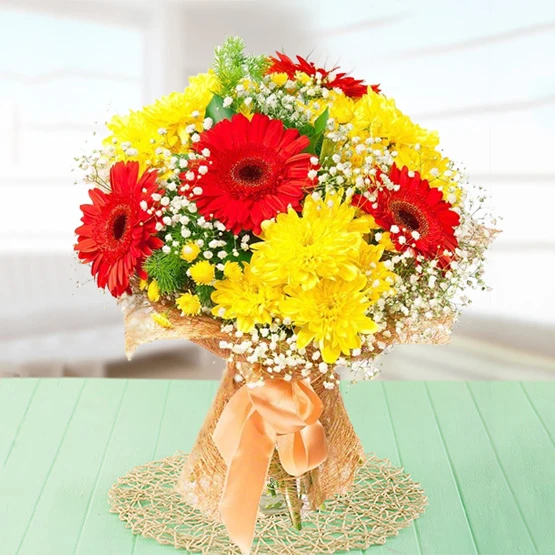
The Symbolism of Flowers: The Language of Flowers
Flowers have always been a beautiful way to express deep feelings and emotions. From ancient times to today, we use floristry as a means of communication that often says more than words. Each flower carries its own unique symbolism and meaning, adding a special touch to every flower delivery.
How to Choose the Right Flower
Picking the perfect flower depends entirely on the message you want to send. If you're aiming to show respect and genuine admiration, sunflowers or camellias are a great choice. For moments filled with love and passion, classic red roses are unbeatable. For true friendship and affection, jasmine is the symbol you're looking for.
Variety of Flowers and Their Meanings
- Acacia - stands for elegance and beauty. Giving acacias is a compliment to the recipient's refinement.
- Anemone - symbolizes apology. If you need to admit a mistake and ask for forgiveness, anemone is your flower.
- Begonia - shows attention and special regard. With its unique nature, begonia symbolizes unity and merging.
- Peony - a direct and clear expression of love.
- Gerbera - a proposal of love. Gerbera asks, "Will you love me?"
- Jasmine - symbolizes confidence in friendship and sincere attachment.
- Hyacinth - an expression of modesty and humility.
- Iris - symbolizes happiness and joy from acquaintance.
- Calla - a symbol of beauty. Giving calla is a compliment to appearance.
- Camellia - expresses admiration and perfection in the eyes of the giver.
- Carnation - red for passion, pink for hope, and white for patience. Different cultures have other meanings too.
- Tulip - a symbol of ideal love, suitable for hinting at feelings.
- Lily - white for innocence, pink for romantic attachment, yellow for arrogance.
- Daisy - symbolizes eternal love and purity, a goddess of destiny.
- Daffodil - a symbol of respect and love, readiness to forgive.
- Marigold - symbolizes jealousy and despair, but also sincere love.
- Orchid - symbolizes love and rare beauty.
- Rose - the classic "I love you!", a symbol of love and passion.
- Cornflower - symbolizes endless tenderness and warmth.
- Sunflower - expresses respect and admiration.
- Violet - symbolizes modesty.
- Chrysanthemum - a symbol of longevity and loyalty, says "I'll never leave you!"
- Freesia - says "You are gentle, unique, wonderful!", perfect for courting.
How to Use Flowers in Everyday Life
Flowers aren't just for special occasions. They can be part of our daily lives, bringing joy and coziness to our homes. Here are a few ideas on how to use them:
- Home Decoration: Flowers can be a lovely accent in your home decor. Arrange them in a vase on the table or by the window to add color and freshness.
- Gift Without a Reason: Surprise a loved one with a bouquet delivery for no special reason. It's a sure way to show you're thinking of them.
- Flower Therapy: Some people believe flowers have a calming effect and can lift your mood. Choose flowers that make you feel good and place them where you'll see them often.
Fun Facts About Flowers
Flowers aren't just beautiful; they're also fascinating. Here are some fun facts:
- Flowers Speak the Language of Love: In the Victorian era, people used flowers to express feelings they couldn't put into words because of social norms.
- Flowers in Cooking: Some flowers are edible and used in cooking. For example, squash blossoms and violets are often used in salads and desserts.
- Flowers as Symbols in Different Cultures: In Japan, for instance, cherry blossoms symbolize the fleeting nature of life, while in China, chrysanthemums symbolize longevity and happiness.
Flowers are part of our lives and help us express feelings that are sometimes hard to put into words. Choose a flower that best reflects your emotions and give it to someone special. You'll create unforgettable moments and leave lasting impressions.