
Tips for Growing Houseplants
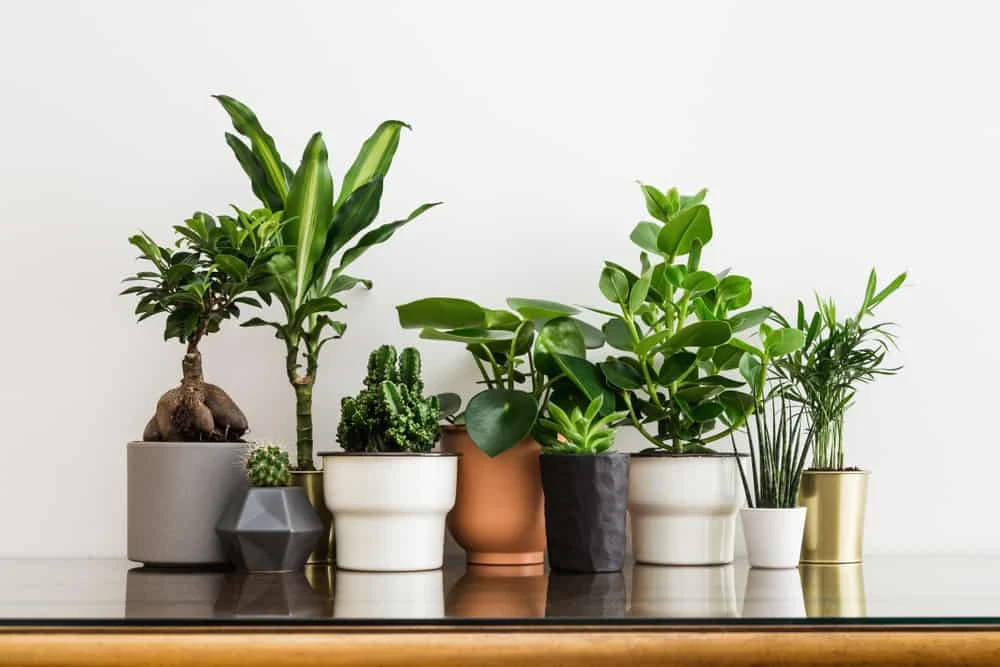
Growing Plants at Home
Having plants at home isn't just a hobby—it's a way to connect with nature and create a cozy, lively atmosphere. They not only decorate your space but also improve air quality and bring a sense of calm and harmony. Let's look at how to care for potted plants to keep them healthy and happy.
How to Care for Houseplants
Growing plants at home can be both enjoyable and good for your health. Here are a few tips to help you succeed with your indoor gardening:
Choose the Right Plants
Start with easy-to-care-for plants that suit your home's conditions. If your place is quite dark, pick plants that do well with minimal sunlight. Some popular beginner-friendly plants include succulents, spider plants, and snake plants. They're hardy and can adapt to various conditions.
Suitable Pots
Choose pots that provide good drainage and enough room for your plants to grow. The material matters too—clay pots let the soil breathe, while plastic ones retain moisture longer. Make sure the pot size matches the plant size to give it the space it needs.
Proper Soil
Make sure you're using the right soil for your plants. Different plants need different soil mixes. For example, cacti and succulents like well-drained soil, while ferns prefer more moisture and organic-rich soil. You can add perlite or sand to improve drainage if needed.
Light
Provide enough light for your plants. Place them near a window or use artificial lighting if they aren't getting enough sunlight. Be careful with direct sunlight exposure, especially in summer when the sun is strong. Plants like ficus and dracaena enjoy light but not direct sunlight.
Water
Make sure you're watering your plants correctly. Avoid overwatering or letting them dry out completely. Check each plant's watering needs. A good way to see if a plant needs water is to touch the soil—if it's dry about an inch down, it's time to water.
Humidity
Some plants need higher humidity levels. You can increase humidity around them with humidifiers or other methods. For instance, orchids and ferns love a humid environment, so you can mist them regularly or place their pots on a tray with water and pebbles.
Temperature
Watch the temperature in your home. Keep plants away from heat sources or drafty windows during cold winter days. Most houseplants prefer temperatures between 65 and 75 degrees Fahrenheit, but some tropical plants like palms and ficus can handle higher temperatures.
Pruning and Feeding
Regularly prune your plants to help shape them and remove any dead leaves. Use appropriate fertilizers to provide the nutrients they need. Spring and summer, when plants are actively growing, are the best times to feed them. Use liquid or granular fertilizers, following the package instructions.
Regular Check-Ups
Keep an eye out for signs of disease, pests, or other issues with your plants and act quickly. Common problems include aphids, mites, and fungal infections. If you notice something off, look up how to deal with it or consult a specialist.
Explore and Learn
Research the care needs for each plant you have and learn from your mistakes. No one gets it perfect from the start, so be patient and open to learning along the way. The internet is full of resources and forums where you can find tips and share experiences with other plant lovers.
By following these tips and giving your plants some love and attention, you'll create a green and cozy home atmosphere and enjoy the beauty and benefits plants offer. Remember to enjoy the process and make the most of your time caring for your green friends.